


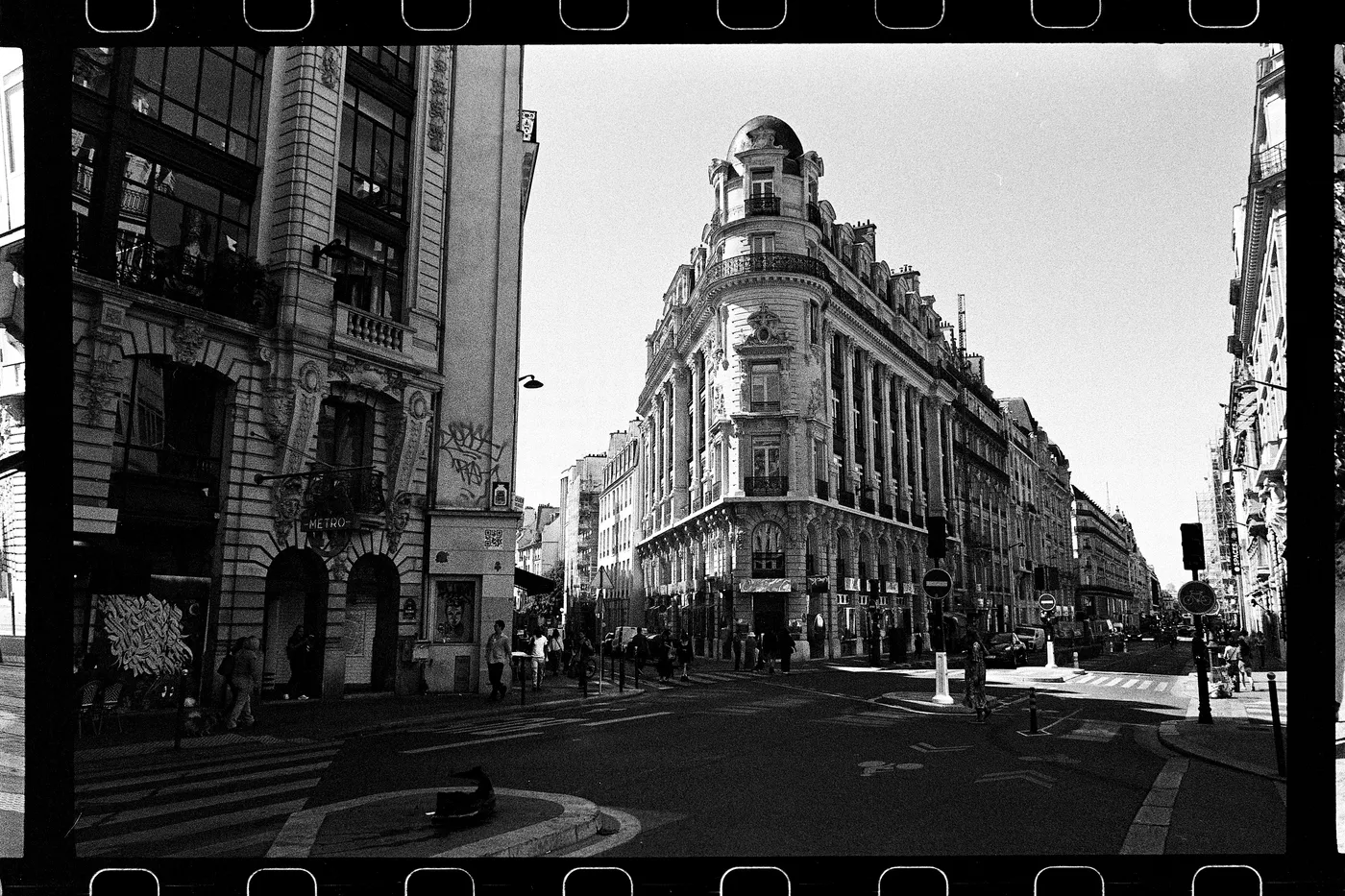
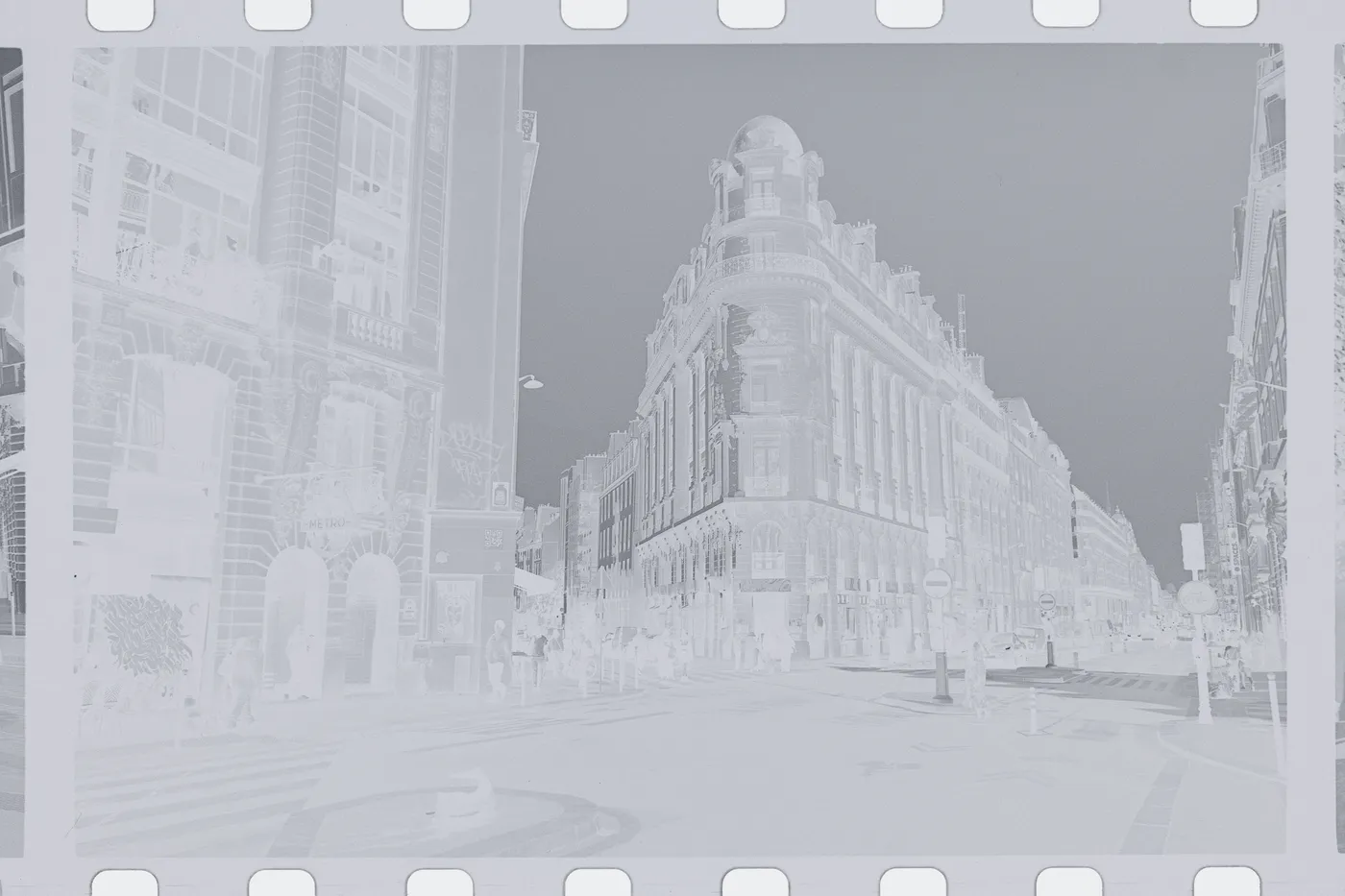
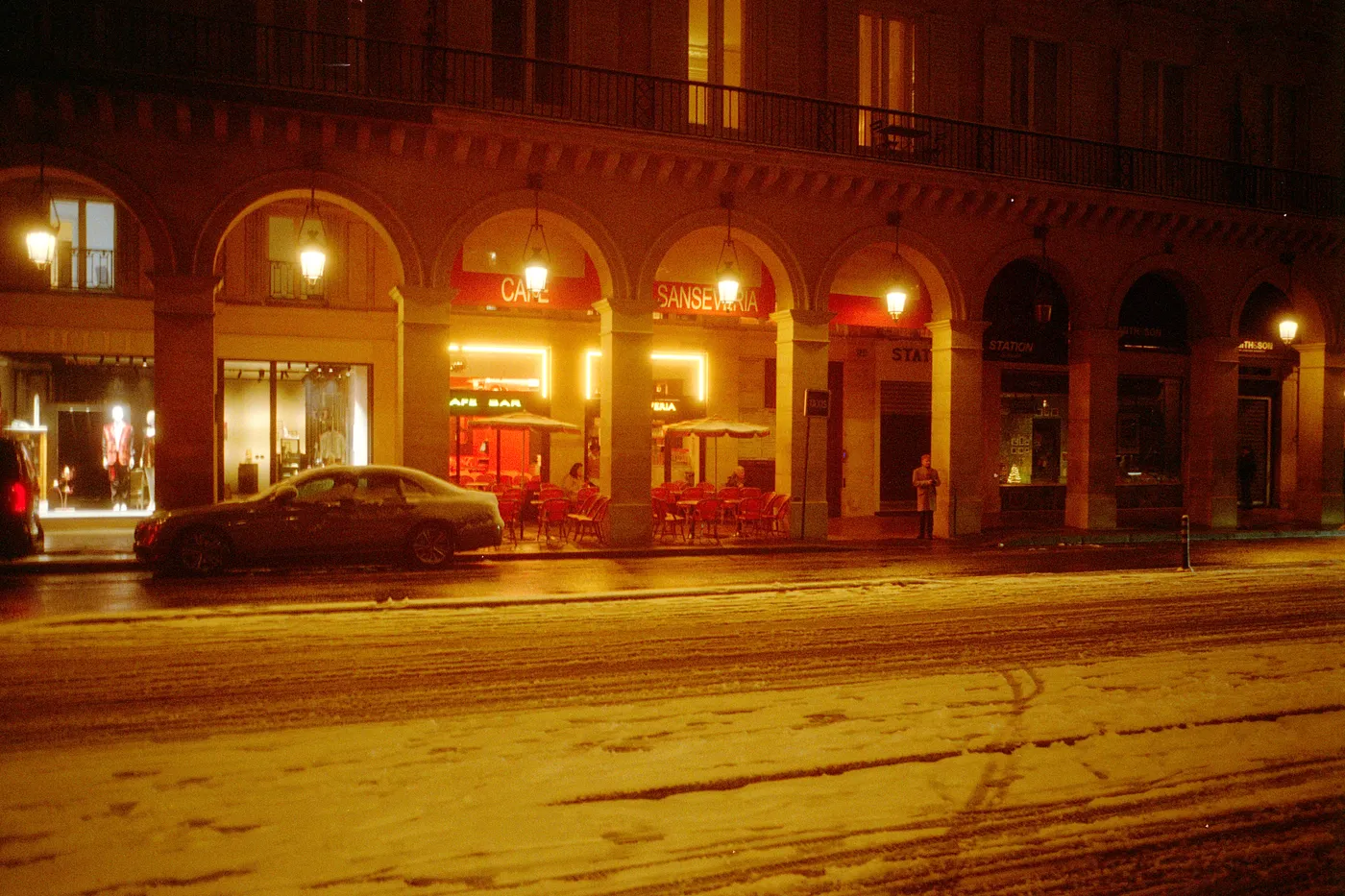
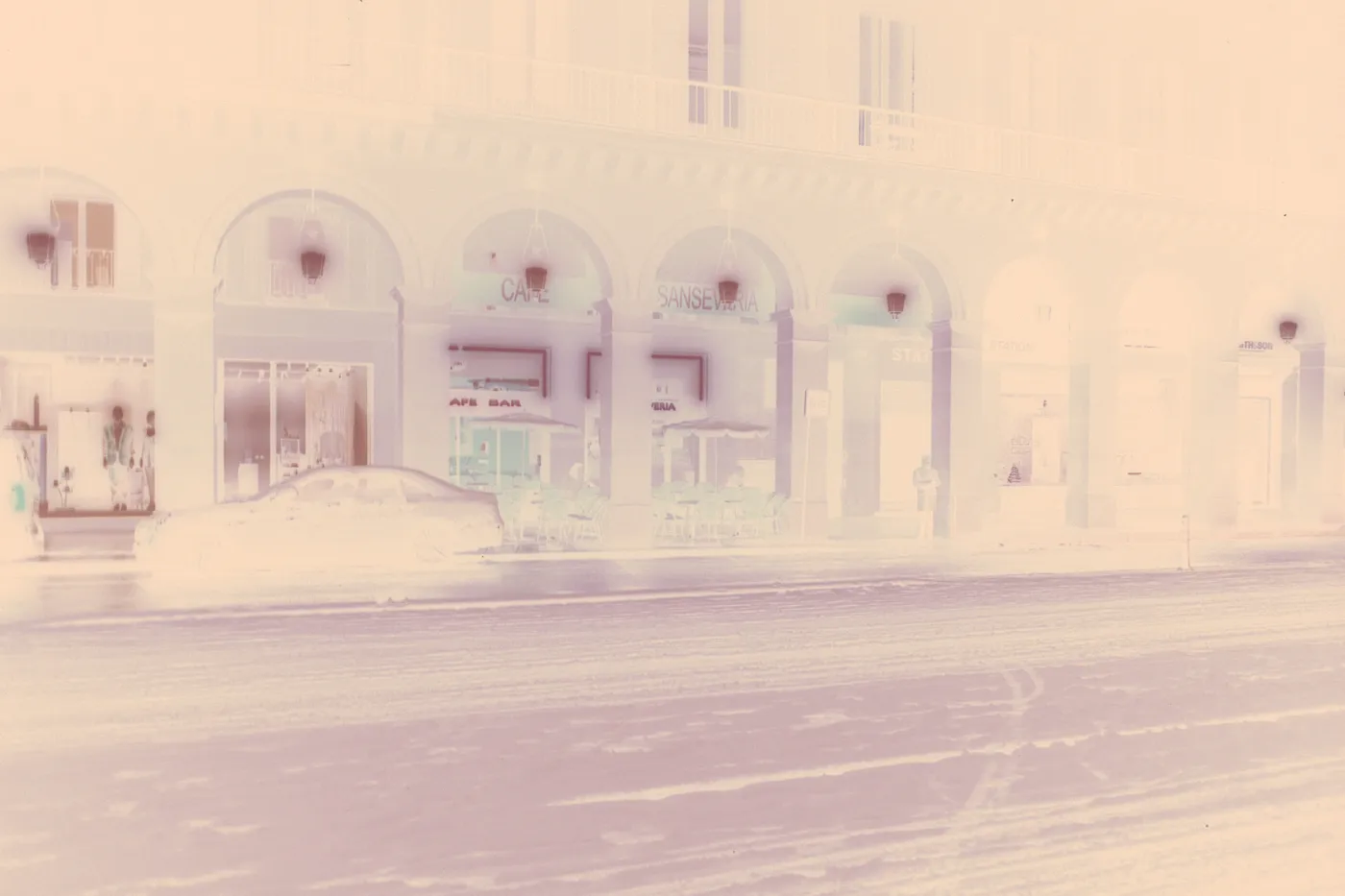
The short answer. If you already pay for Lightroom and like the colours Negative Lab Pro gives you, stay where you are. If the subscription is what you are trying to leave, a standalone converter is the only kind of alternative that actually removes it, and this one, Open Negative Initiative, is free and open source on macOS, but it hands you controls rather than a look.
Negative Lab Pro is good, it costs 99 dollars, and it runs only inside Lightroom Classic, and that last part is what sends most people looking: not the price of the plugin, but the subscription underneath it.
One of the six is free and open source. It is Open Negative Initiative, a free macOS application for converting and editing scanned film: colour negatives, positives and black & white, from a camera scan or a scanner. It runs on its own, with no host application to buy. It converts a frame in one click, and applies nothing at all until you touch something. macOS 13 or later. Apple Silicon and Intel.
No account and no trial that runs out, and the source of every version ships attached to that version.
Free, macOS 13 or later. No account, no trial limit, no watermark.
Five alternatives, compared
| Tool | Cost | Needs | Platform | Try before | Source |
|---|---|---|---|---|---|
| Open Negative Initiative | Free, GPL-3.0 | Nothing | macOS 13+ | No limit to try before | Ships with each version |
| Negative Lab Pro | 99 $ once, plus Adobe | Lightroom Classic | macOS, Windows | 24 conversions, no watermark | Closed |
| Grain2Pixel | Free | Photoshop | macOS, Windows | Free outright | ? |
| darktable (negadoctor) | Free, GPL | Nothing | macOS, Windows, Linux | Free outright | Public repository, public history |
| Capture One | Subscription or perpetual | Nothing | macOS, Windows | ? | Closed |
| SmartConvert | Paid, perpetual | Nothing | macOS, Windows | Demo, watermarked | Closed |
A question mark means this page has not verified that cell, not that the answer is no. Negative Lab Pro price, trial limit and Lightroom requirement from negativelabpro.com/pricing, consulted 15 August 2026. SmartConvert licensing model and demo from filmomat.eu/smartconvert, consulted 15 August 2026. Capture One negative conversion shipped in 16.7.4, March 2026, from its release notes, consulted 15 August 2026.
Read across the “Needs” column, not the “Cost” one. Two of the free entries need an application you would have to pay for, which is the difference between a free tool and a free workflow.
Which one is right for you
- You already pay for Photoshop → Grain2Pixel. Free, lives where you already work, and there is no reason to look further until it stops being enough.
- You already pay for Capture One → its built-in conversion. Negative Lab Pro was never an option for you anyway.
- You are on Linux or Windows → darktable's negadoctor. It is mature, free, and the best public reference on the physics of C-41 inversion there is.
- You want no host application and you are on a Mac → this one. Download Open Negative Initiative: free, about 13 MB, and nothing underneath it to buy.
On three of those four rows, this one is not the answer.
Where this one is different
Three decisions show themselves the moment you touch a slider:
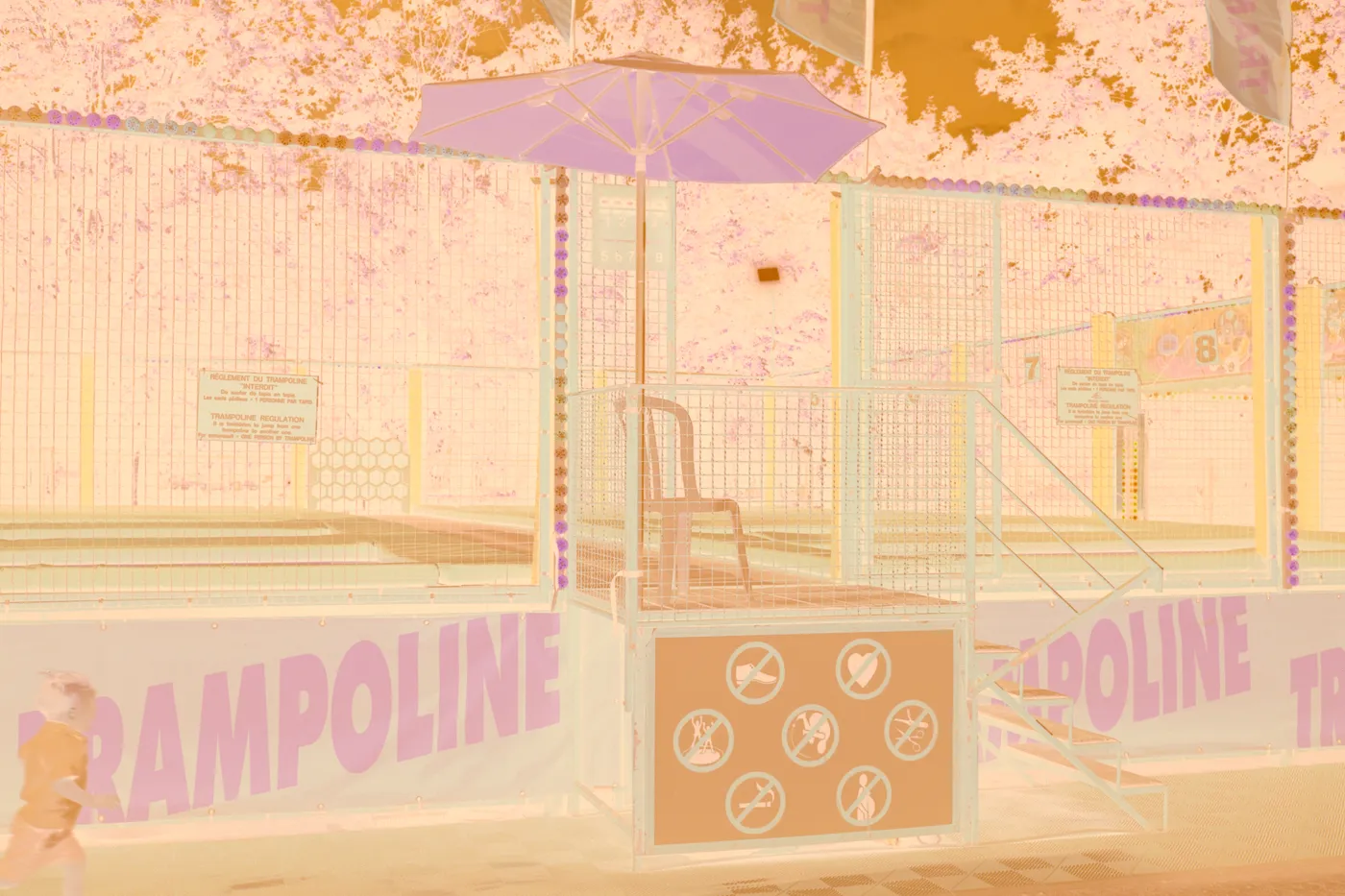
It inverts in density, not with 1 − x
A scan is linear, so subtracting it from one packs the whole photograph into the first few percent of the range, and every control afterwards works on a badly stretched axis. On a density axis, a stop is a fixed distance wherever you are, so the sliders behave linearly in stops.
Six automatic balances, not one
Every automatic conversion assumes something about your scene. Aligning medians assumes it averages to grey, and it is right on eleven of twelve reference frames, but wrong on a dusk sky that is blue. So there are six, they run only on a click, they show what they propose before acting, and ⌘Z undoes any of them.
Colour noise goes, grain stays
The chroma stage leaves luminance bit-identical. Grain lives in luminance, so there is no dose at which this starts eating the texture you shot film for.
Color · Density ceiling
Automatic balance
Crop before using the automatic balance
Color · Colour
Color · Colour
Color · Lighting
Color · Effects
No trip back to Lightroom
Convert here and the roll stays here too. Archive keeps every roll boxed and named; Projects pull frames from any roll into one place to edit and export together, for a themed set or a delivery, so there is nothing left to synchronise back into a catalogue.
Your existing Negative Lab Pro conversions are not picked up: they are settings in your Lightroom catalogue, not in your RAW files, and this application does not read them, so a frame converted there starts again from the scan. And the RAW stays exactly as it is, because nothing here modifies an original.
What it is not
- Not on Windows or Linux. macOS 13 or later, and that is a real limit.
- Not finished. It is in alpha; defaults still move between versions.
- No frame detection and no dust removal. A strip photographed in one shot is cropped frame by frame, and dust is dealt with somewhere else.
- Framing does not travel with a paste. Settings paste row by row over a whole selection; the crop never does, so a paste cannot destroy a hand-drawn frame. The price is real: on a copy stand where the rig never moves, a 36-frame roll is still 36 crops drawn by hand.
- No copyright or IPTC fields on export. The capture date is the only metadata carried over. The remedy is one
exiftoolcommand over the folder, spelled out on the download page, or a metadata preset applied on import if a catalogue is still in the picture. - Not derived from Negative Lab Pro. Nothing in it is reverse-engineered from it. C-41 physics is public, and that is where the app's behaviour comes from.
The full list is at the bottom of the features page, under the same heading.
Head to head
Each gets its own comparison, because “which is better” has a different answer every time. They all live under the comparison hub:
- Capture One. Its own negative conversion arrived in 16.7.4. What each does differently, and who should stay.
- darktable negadoctor. Both free, both GPL, both standalone. They differ in what each asks you to know first.
- Grain2Pixel. Free, excellent, and it needs Photoshop. That is the whole comparison.
- SmartConvert. Two standalone converters that refuse to apply a look. One is paid, one is free.
- Negative Lab Pro crack. What cracking the plugin actually saves, what the official trial gives you, and what leaving a plugin costs in time.
Questions
What is the best free alternative to Negative Lab Pro?
Is there an open source alternative to Negative Lab Pro?
Do I need Lightroom to convert film negatives?
Is Open Negative Initiative a Negative Lab Pro clone?
Does Capture One replace Negative Lab Pro?
Try it
What it does, control by control, if you would rather look before installing. The six-step guide if you have never converted a negative at all.
Free, no account, no trial limit.