


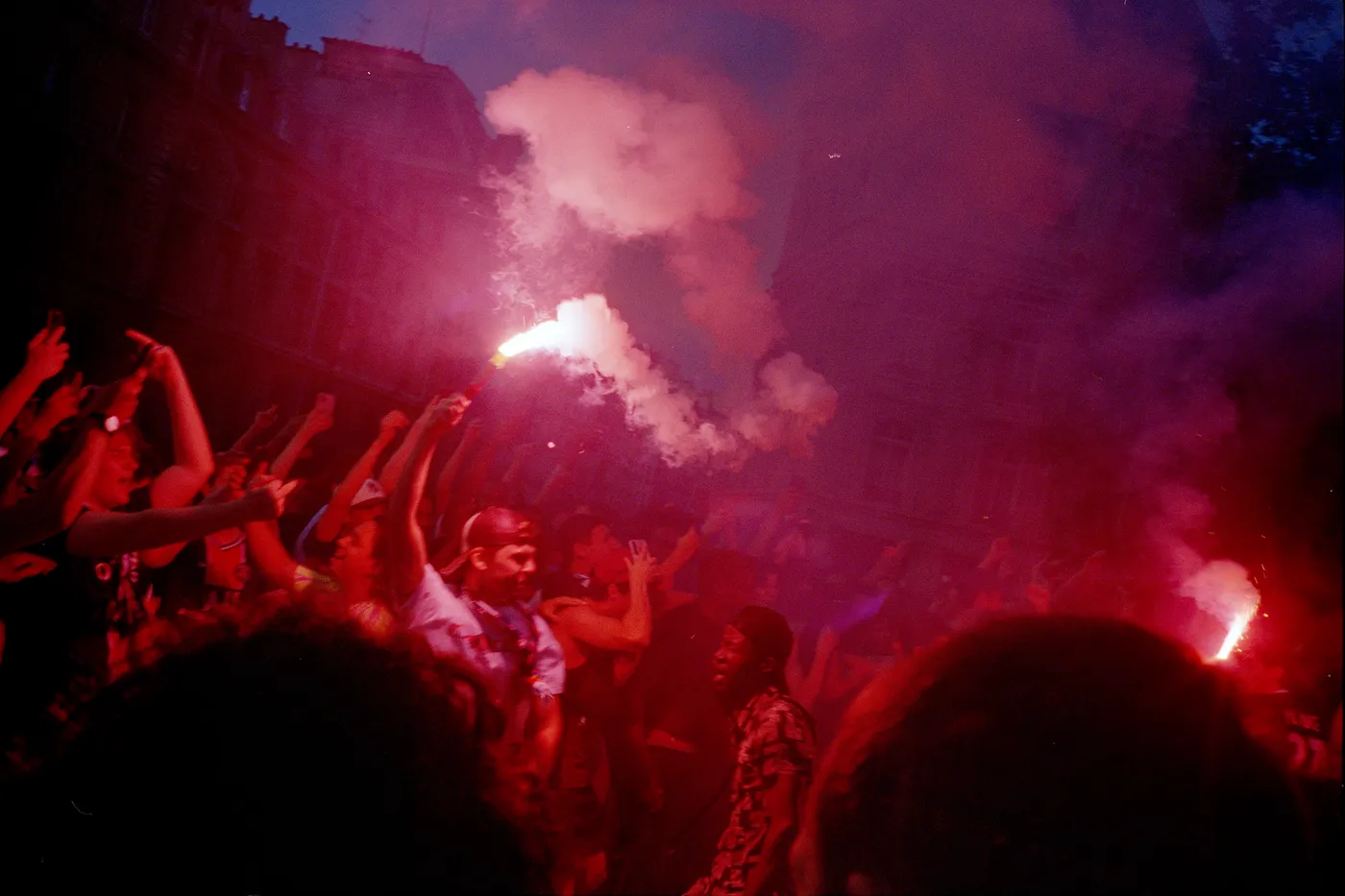
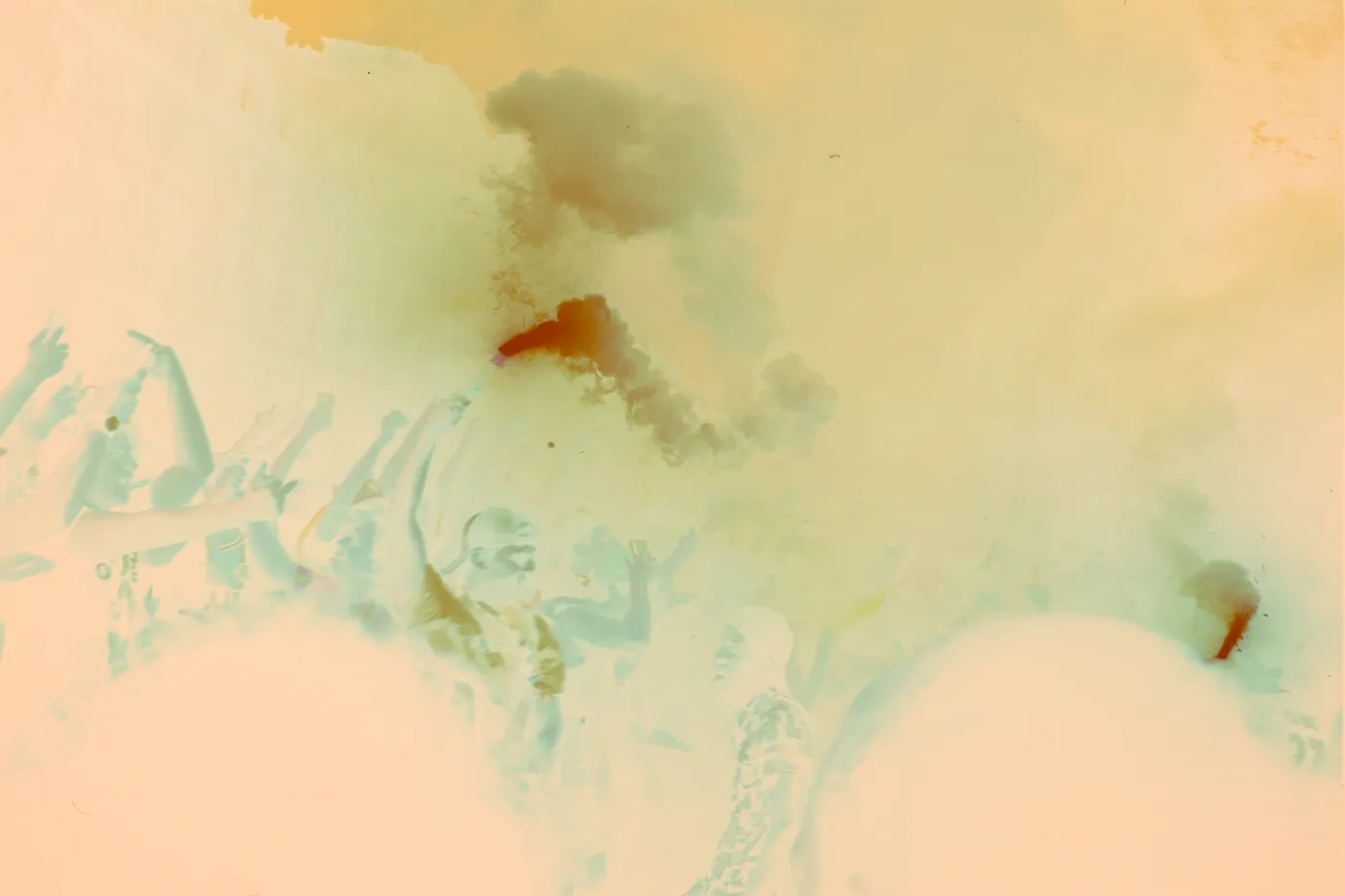
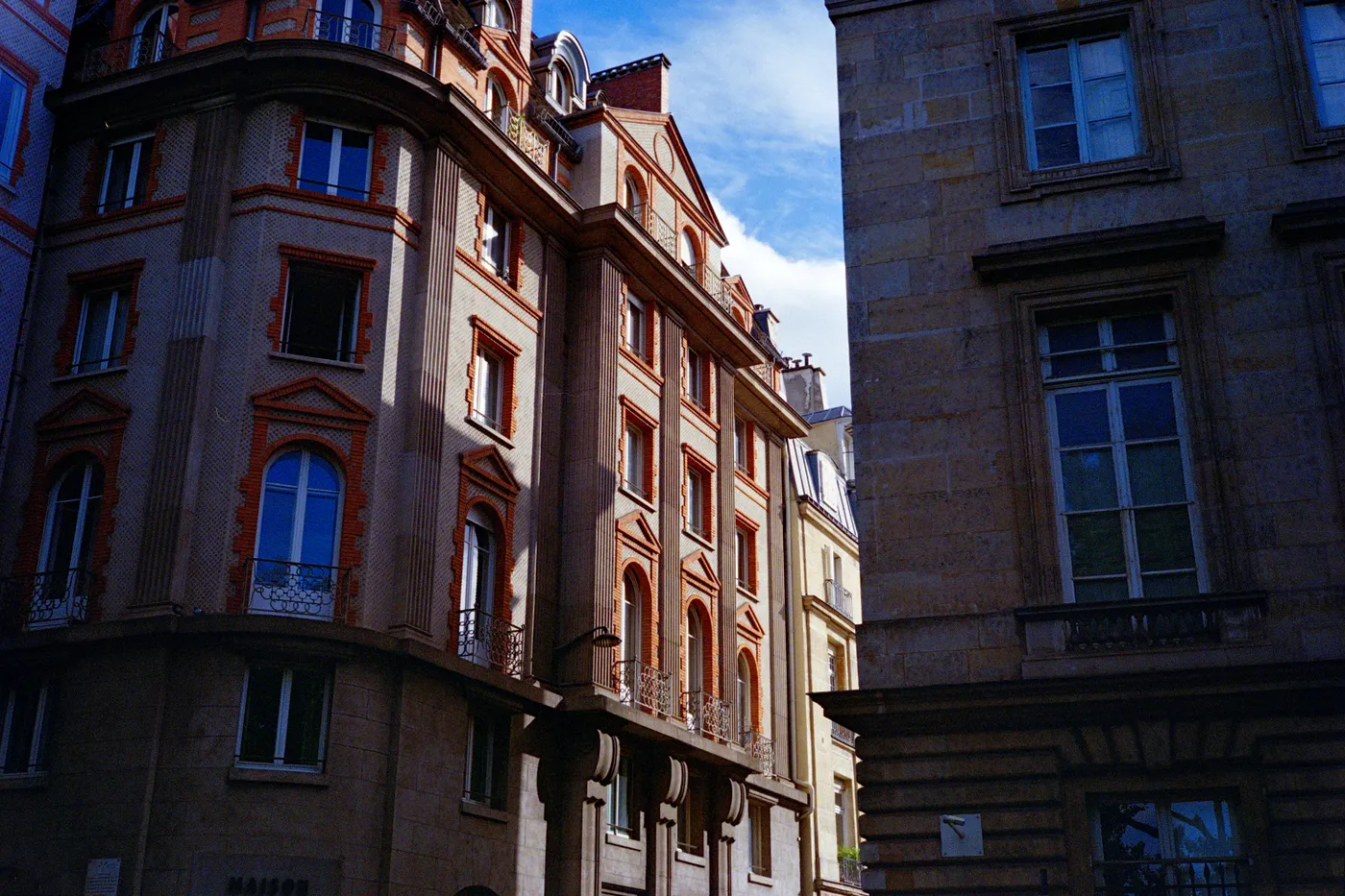
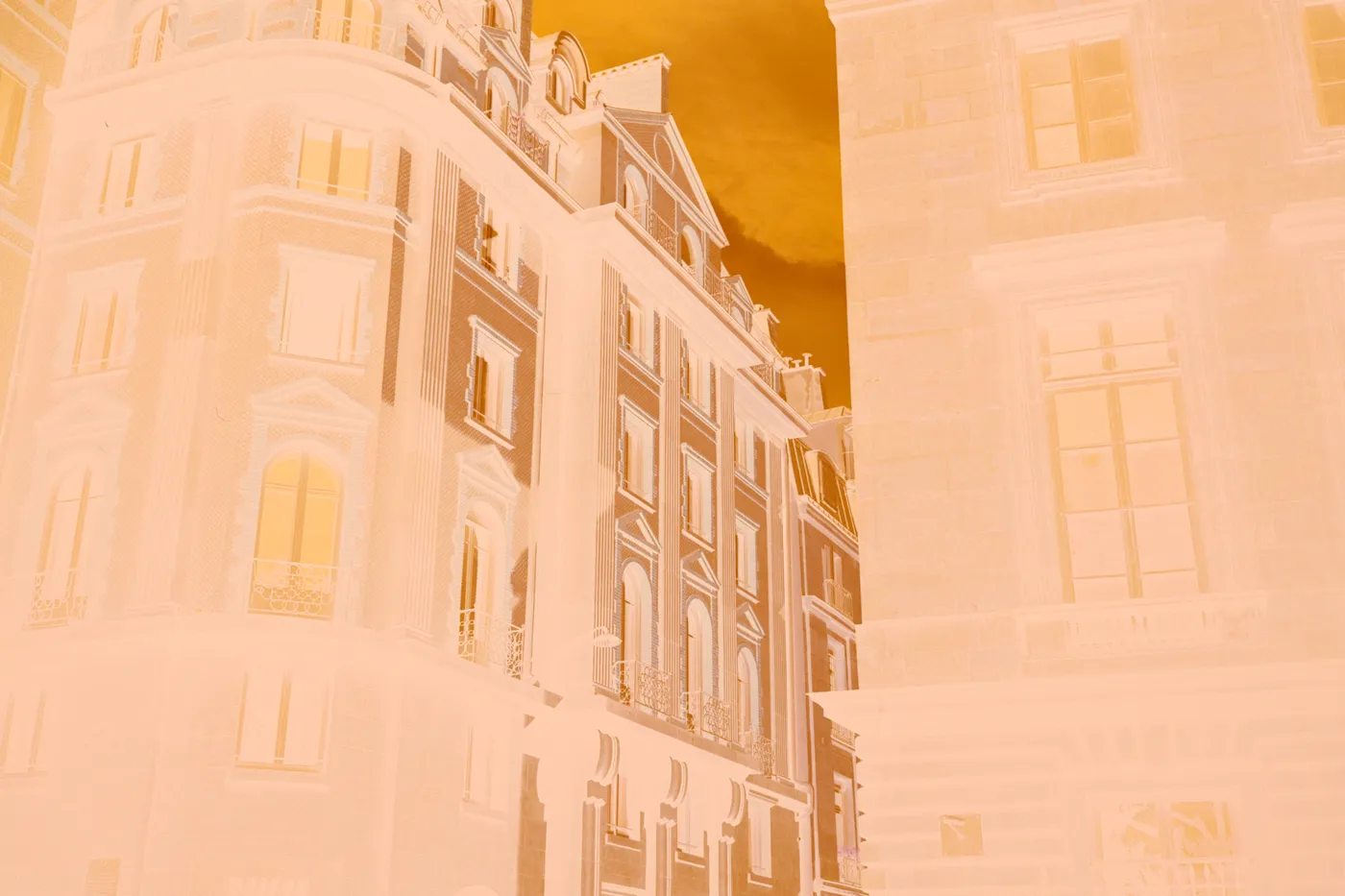
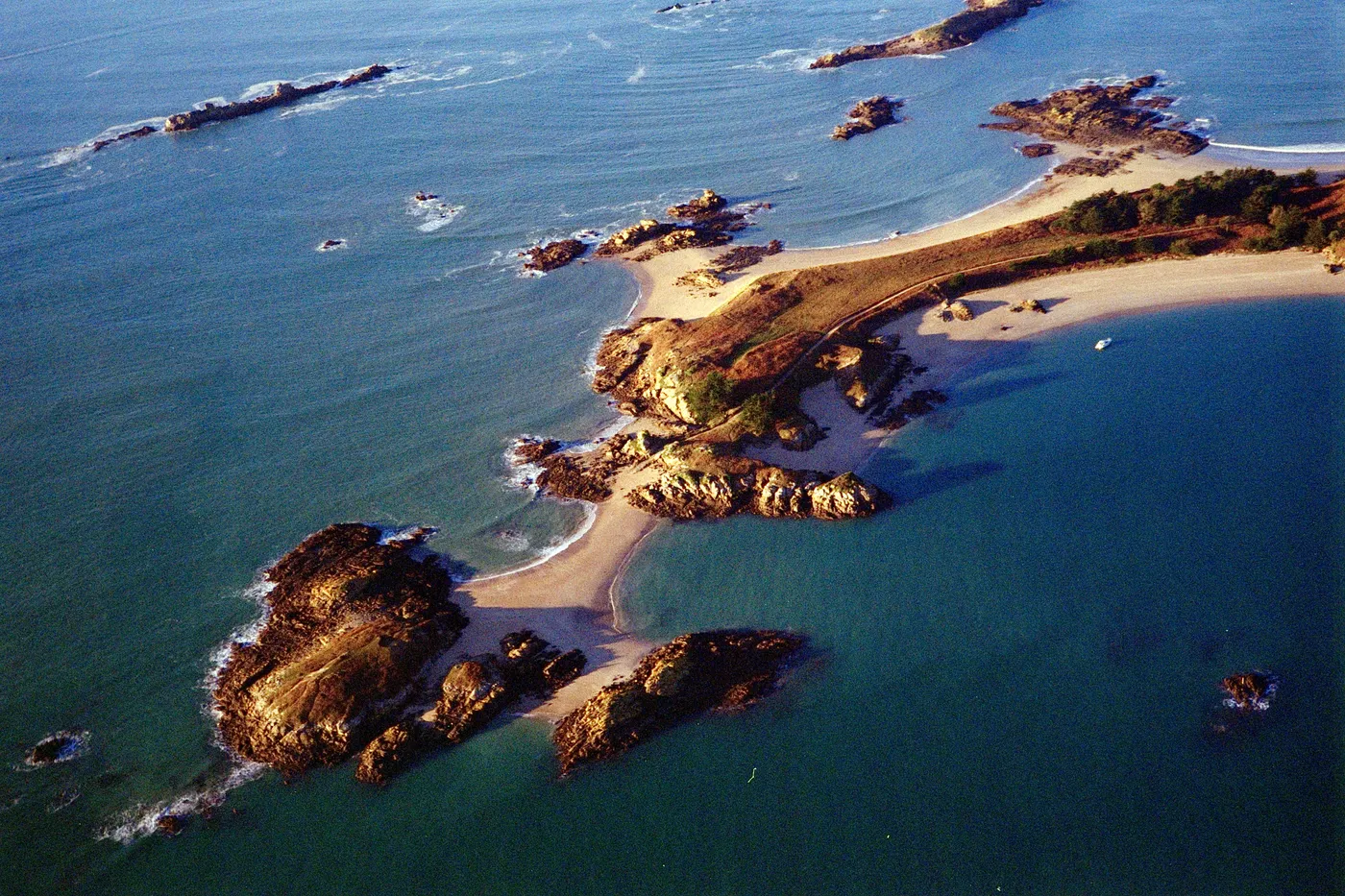
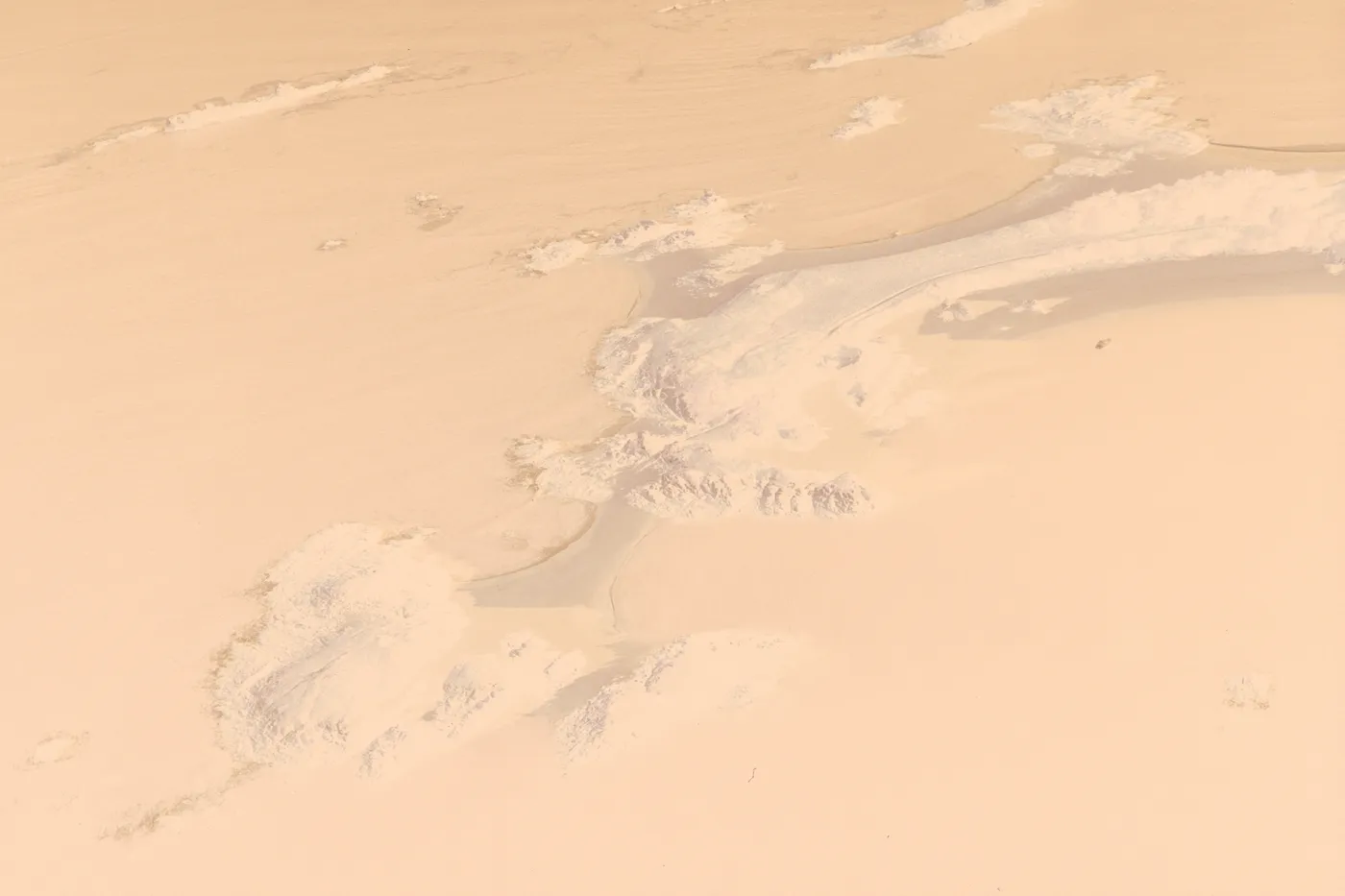
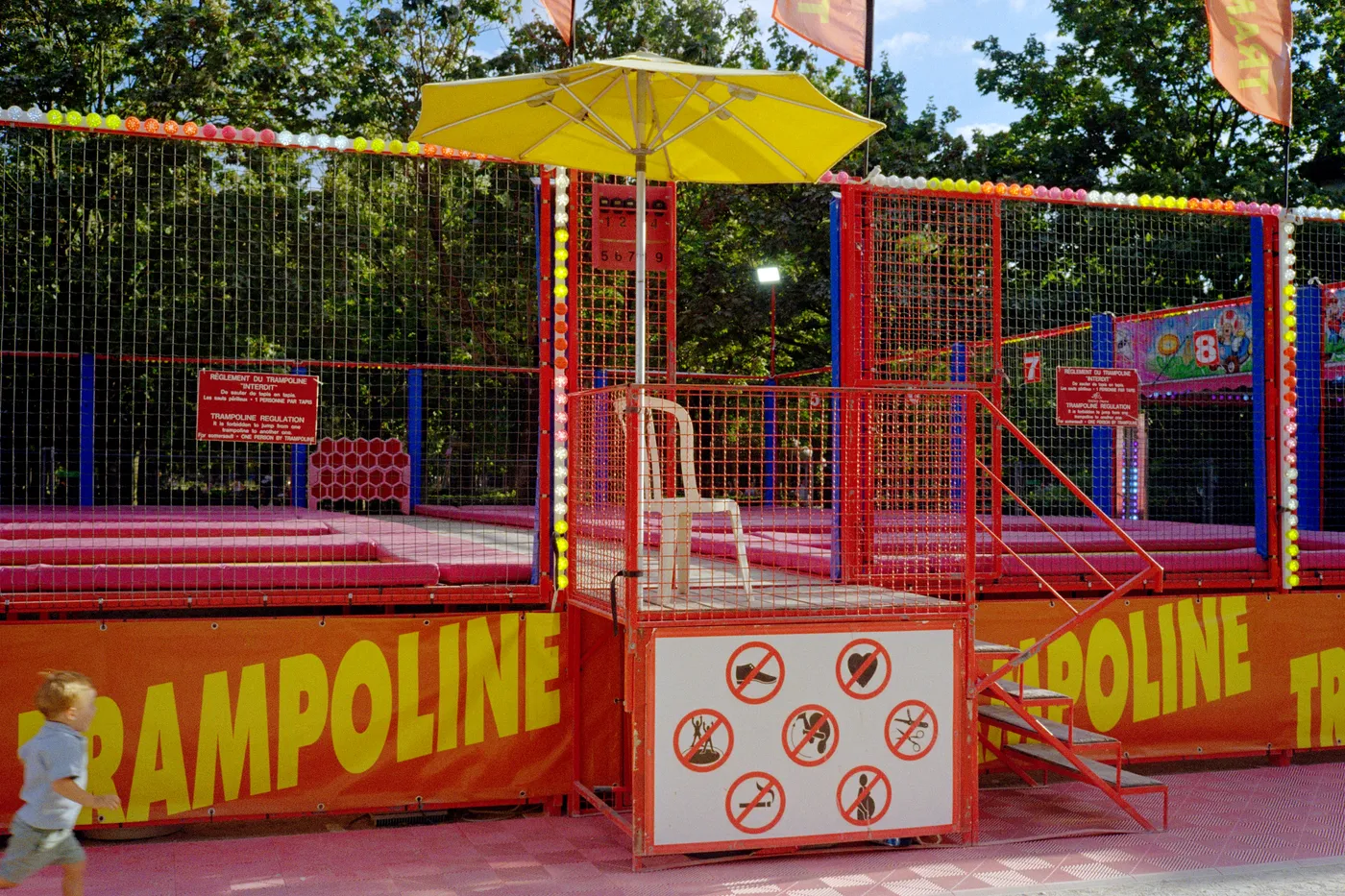
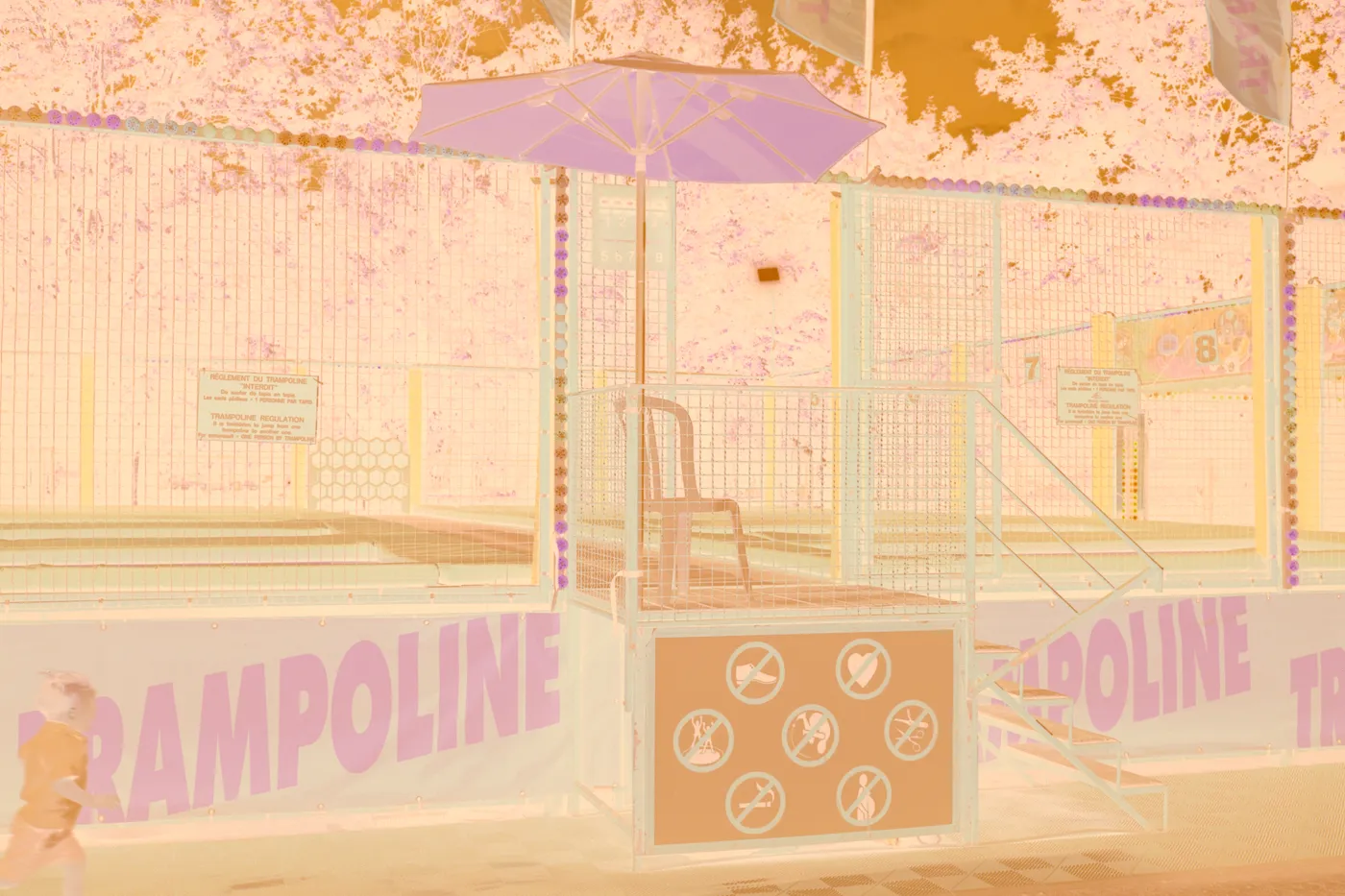
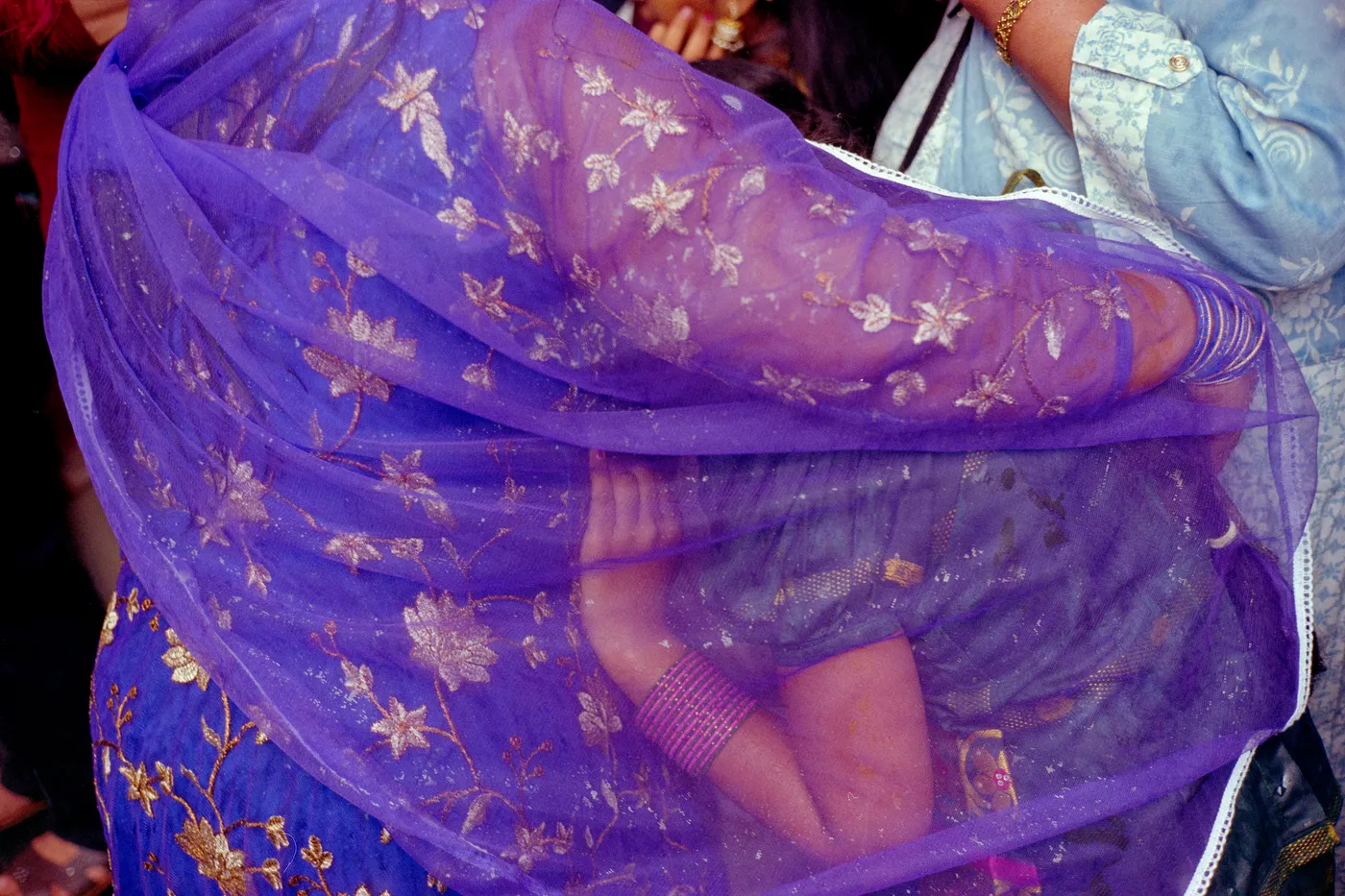
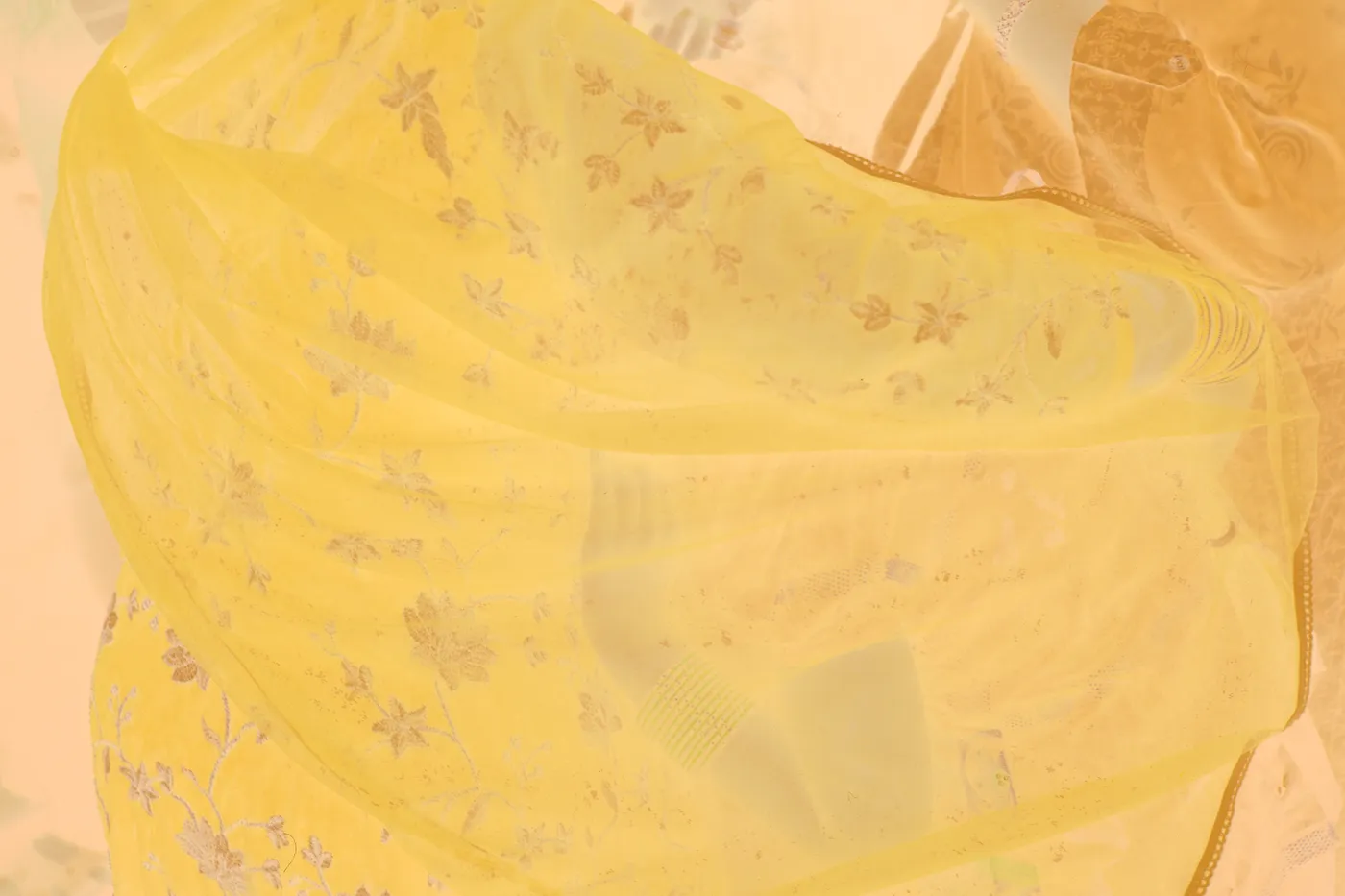
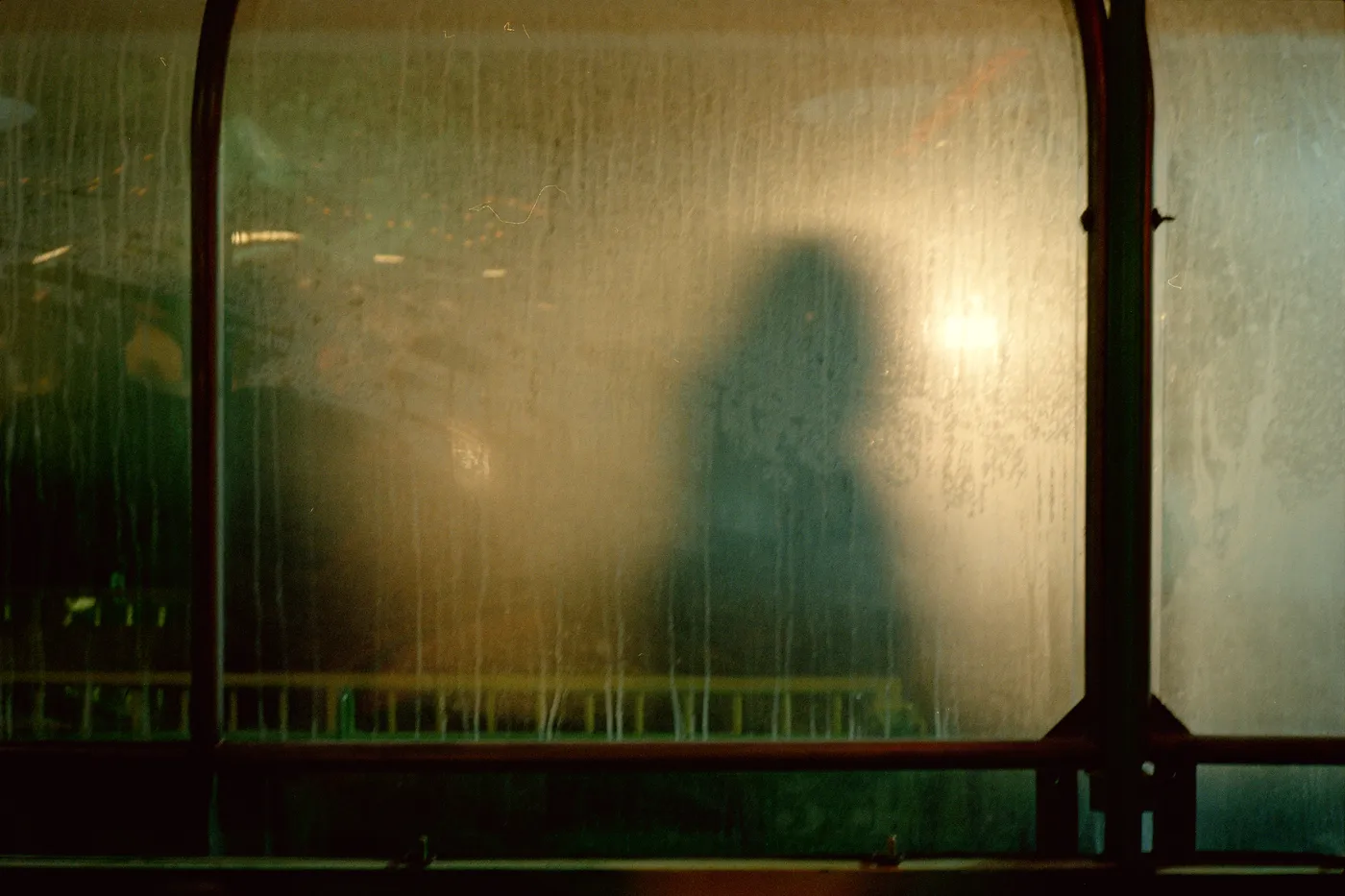
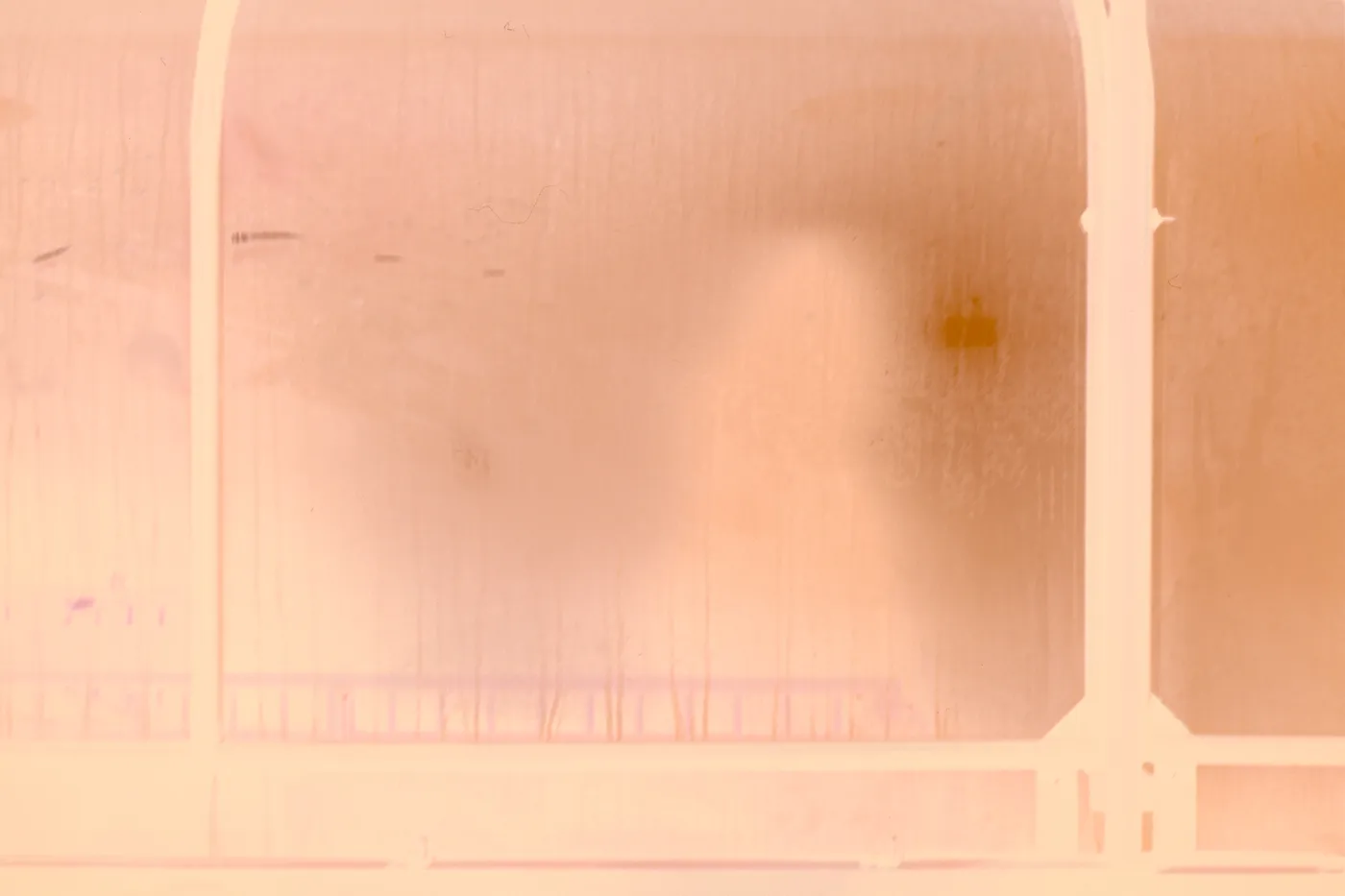
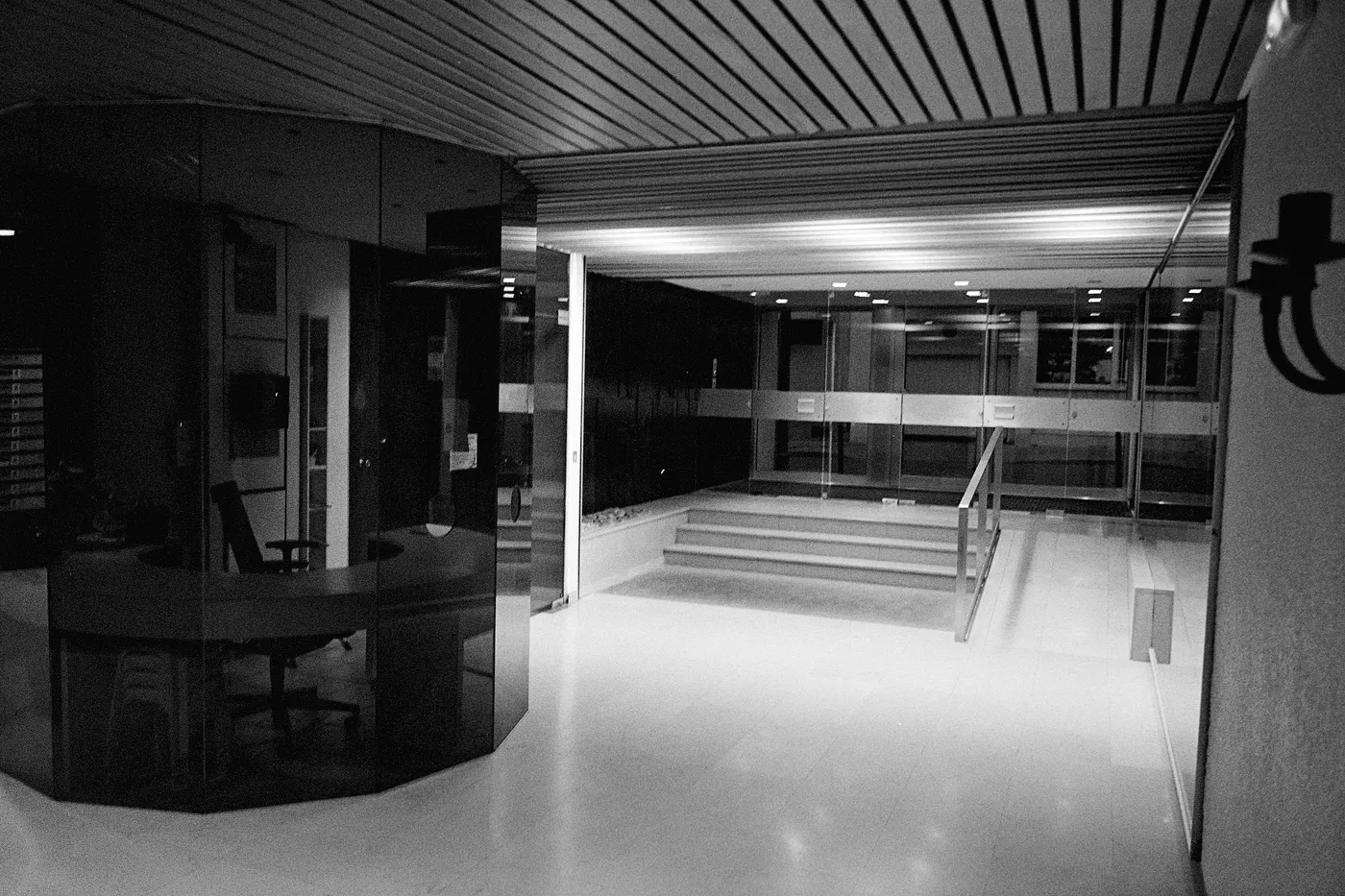
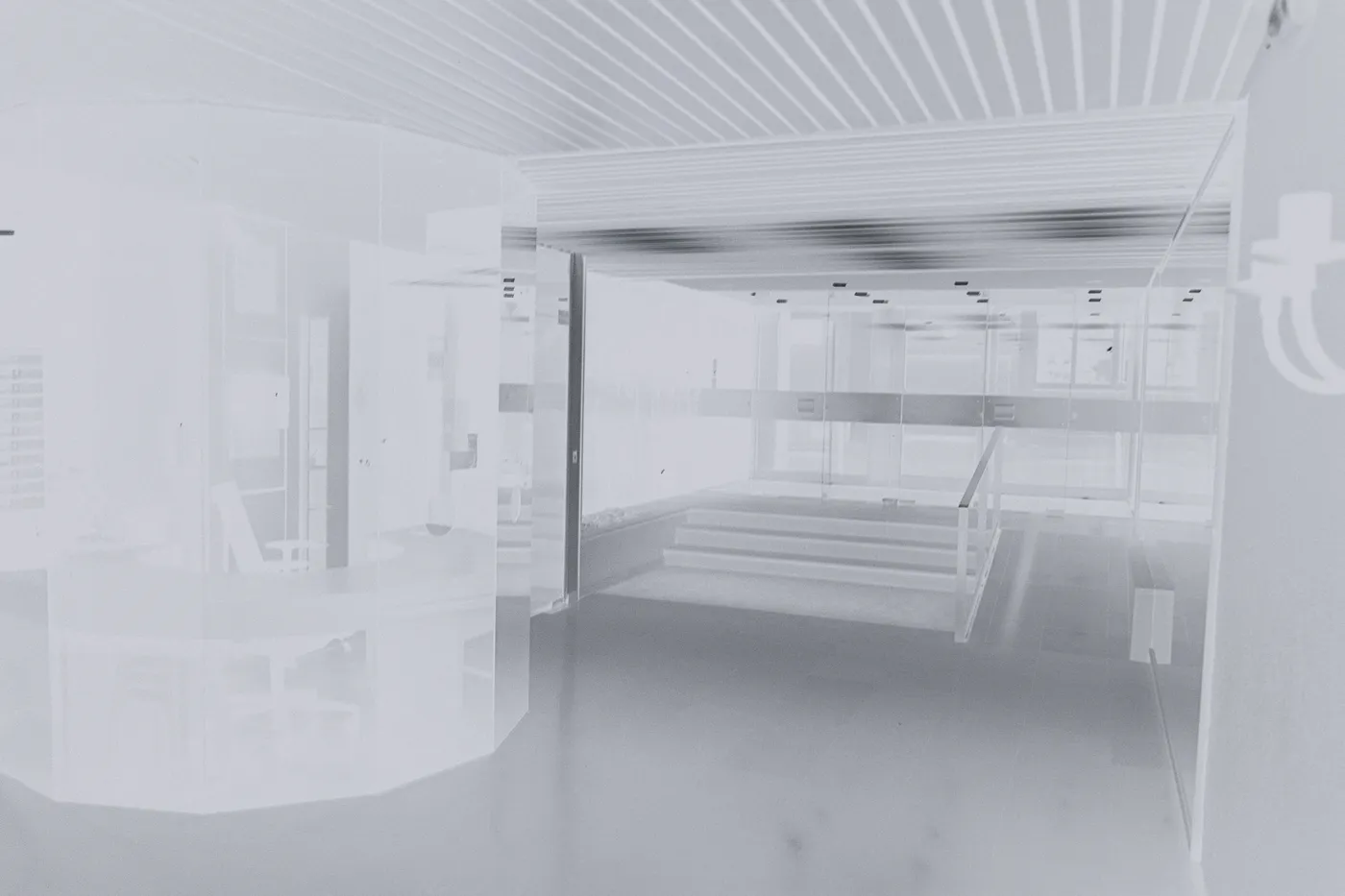
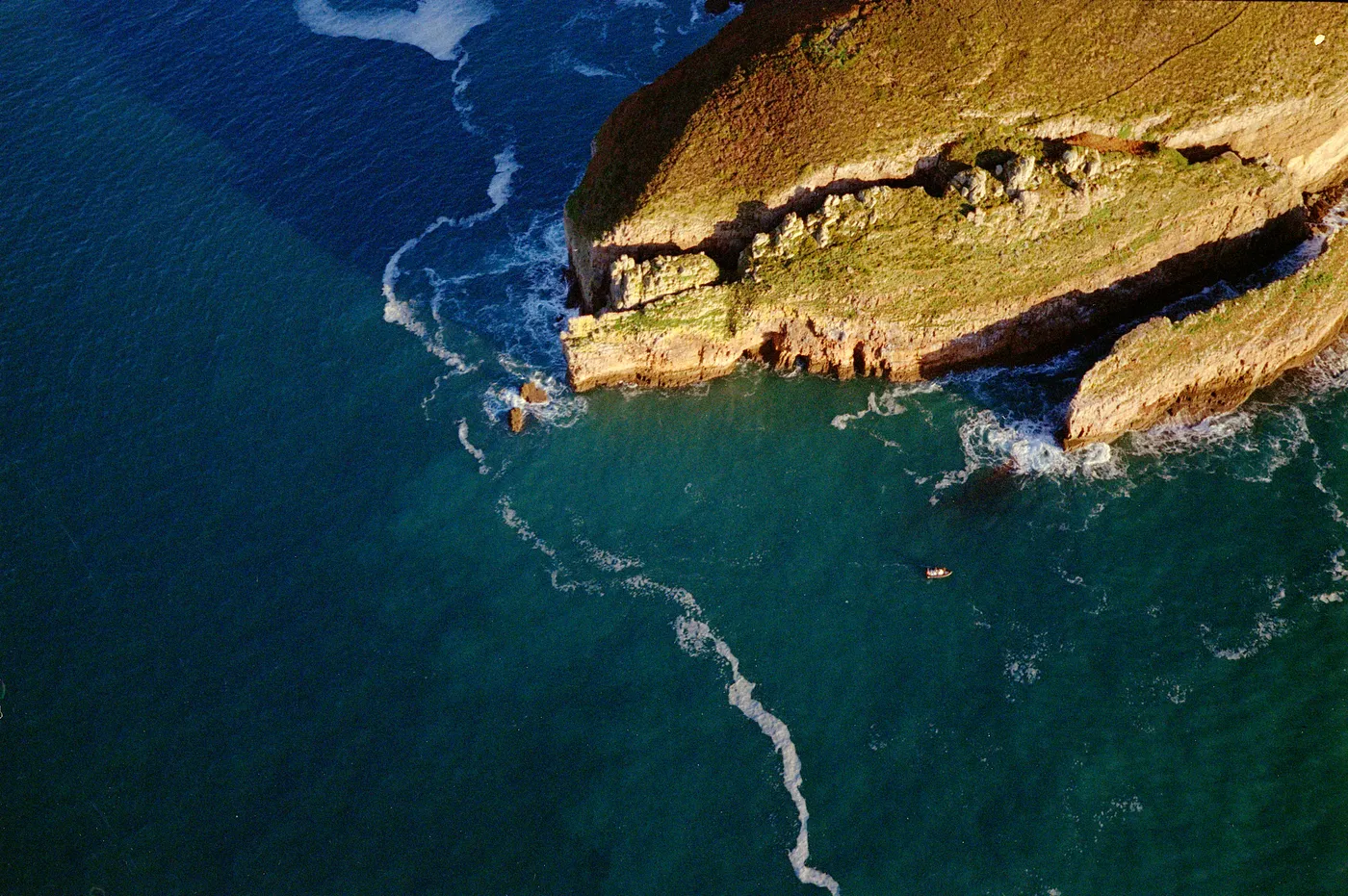
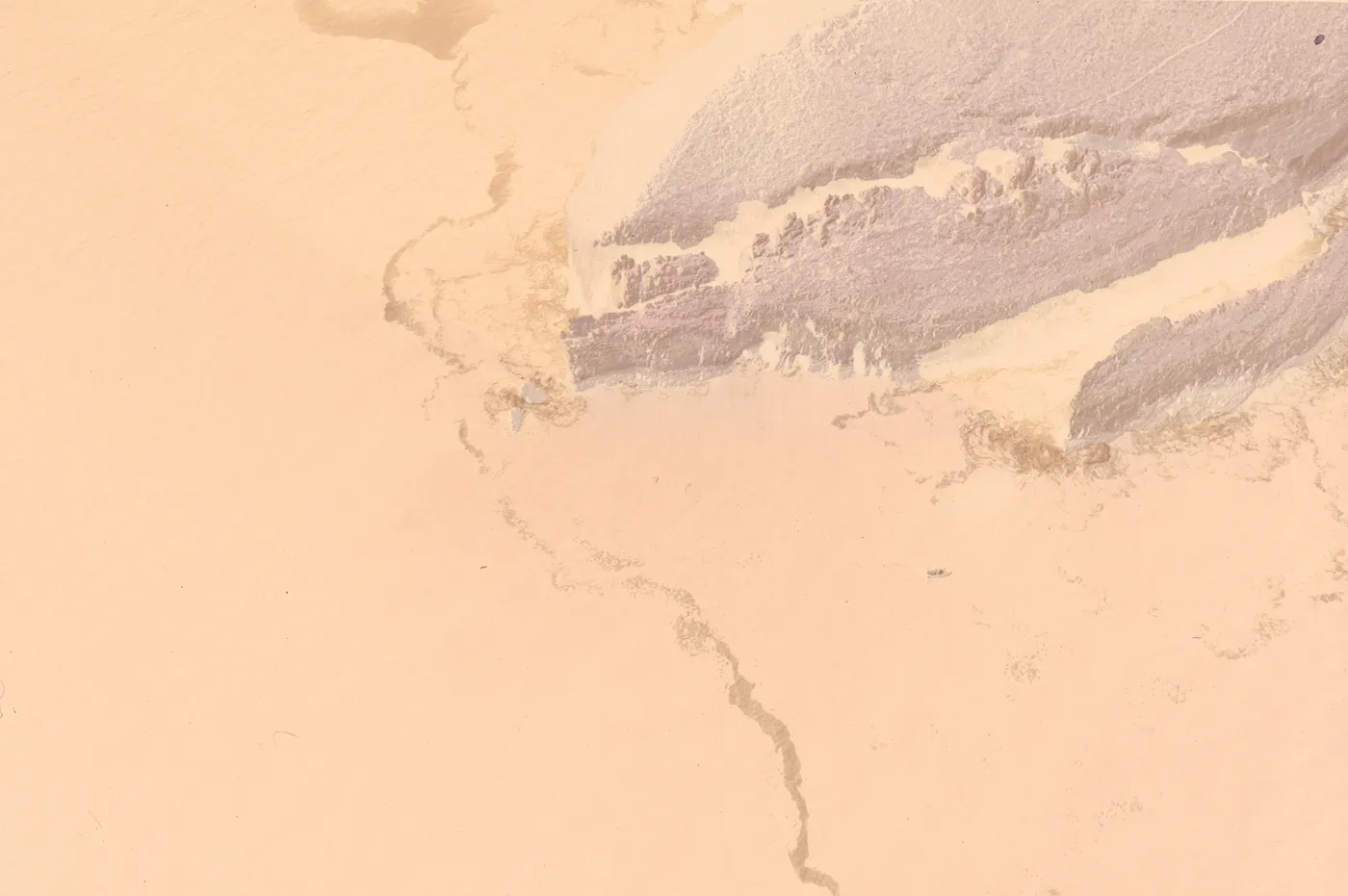
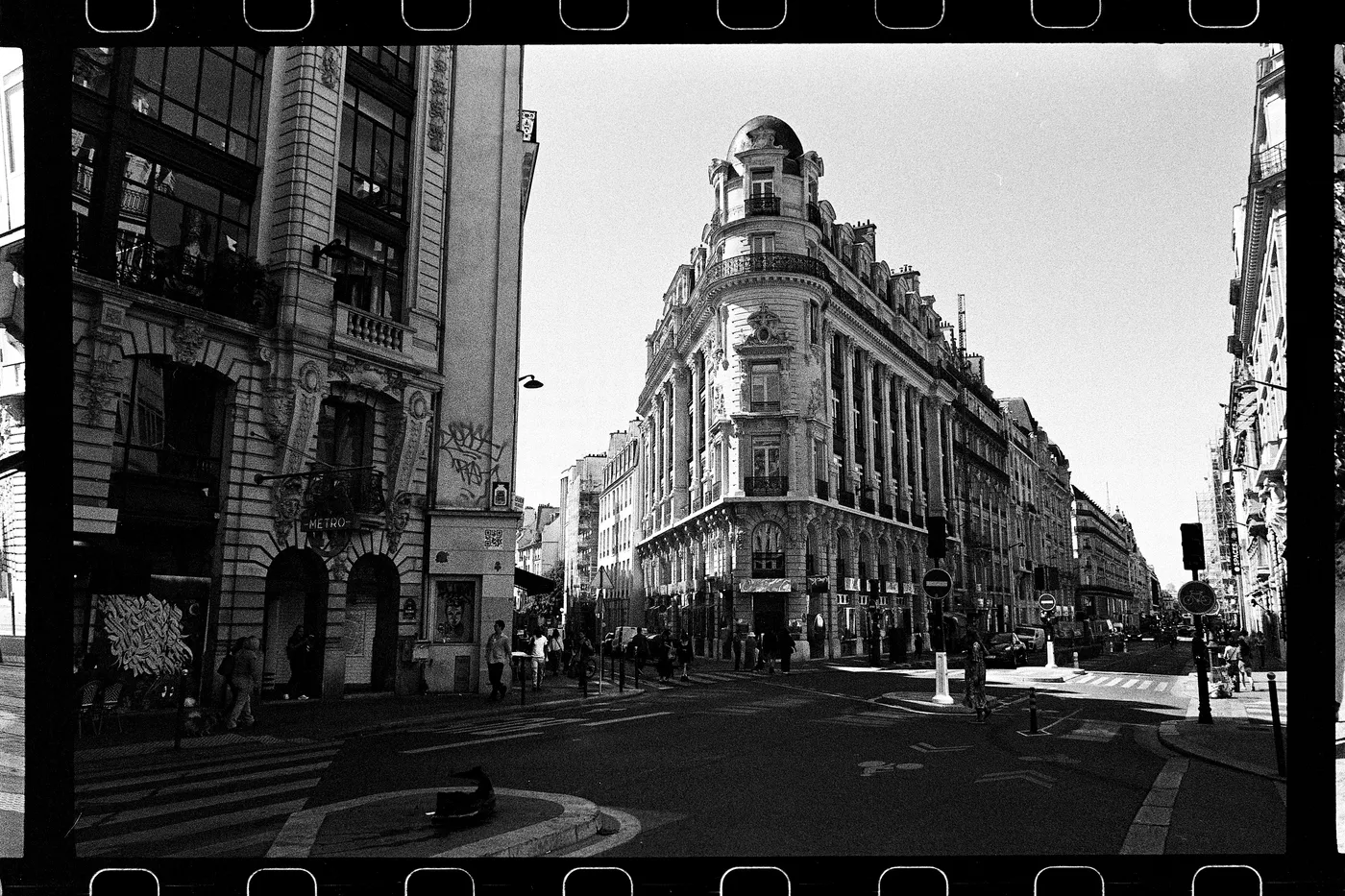
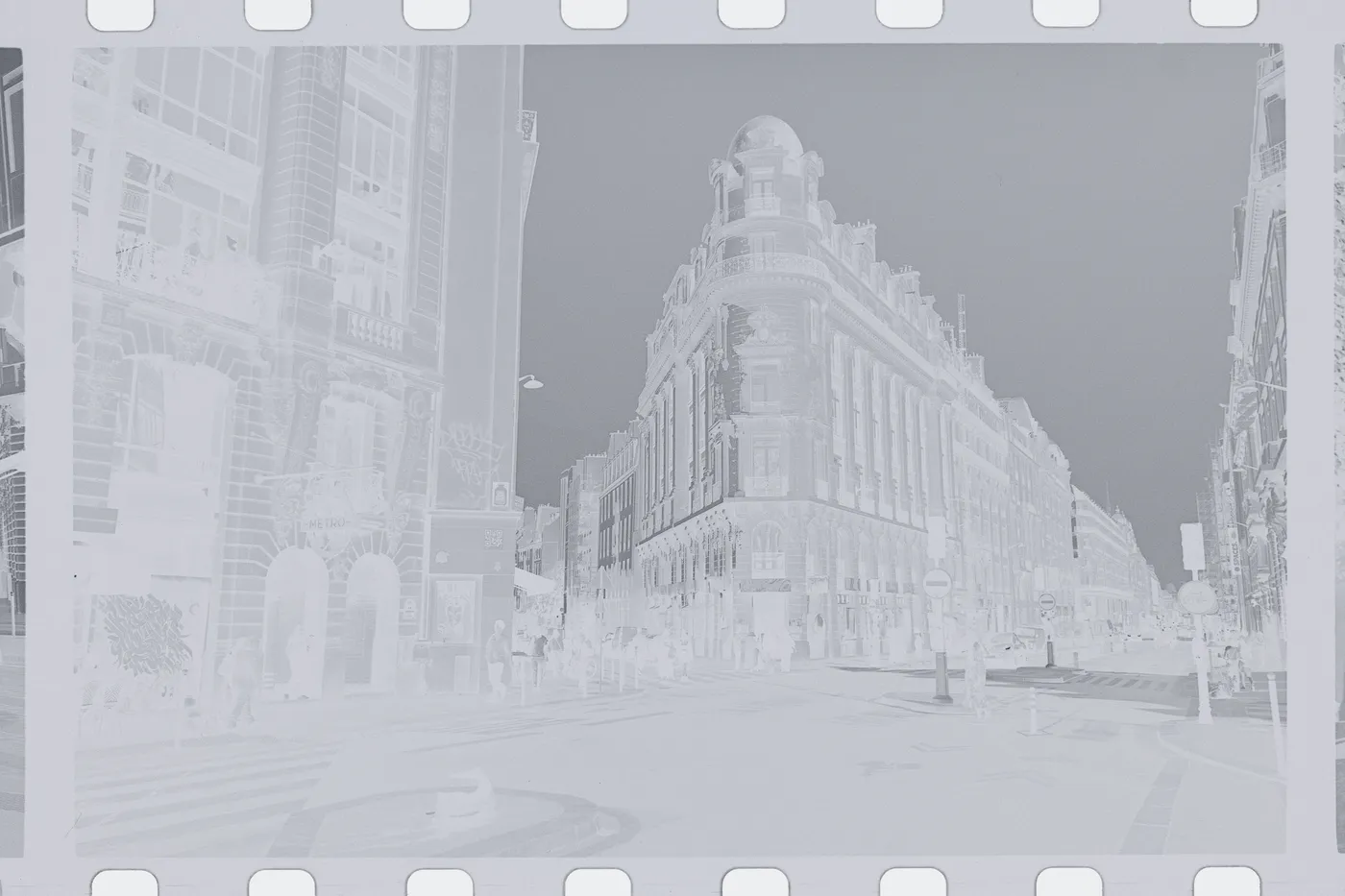
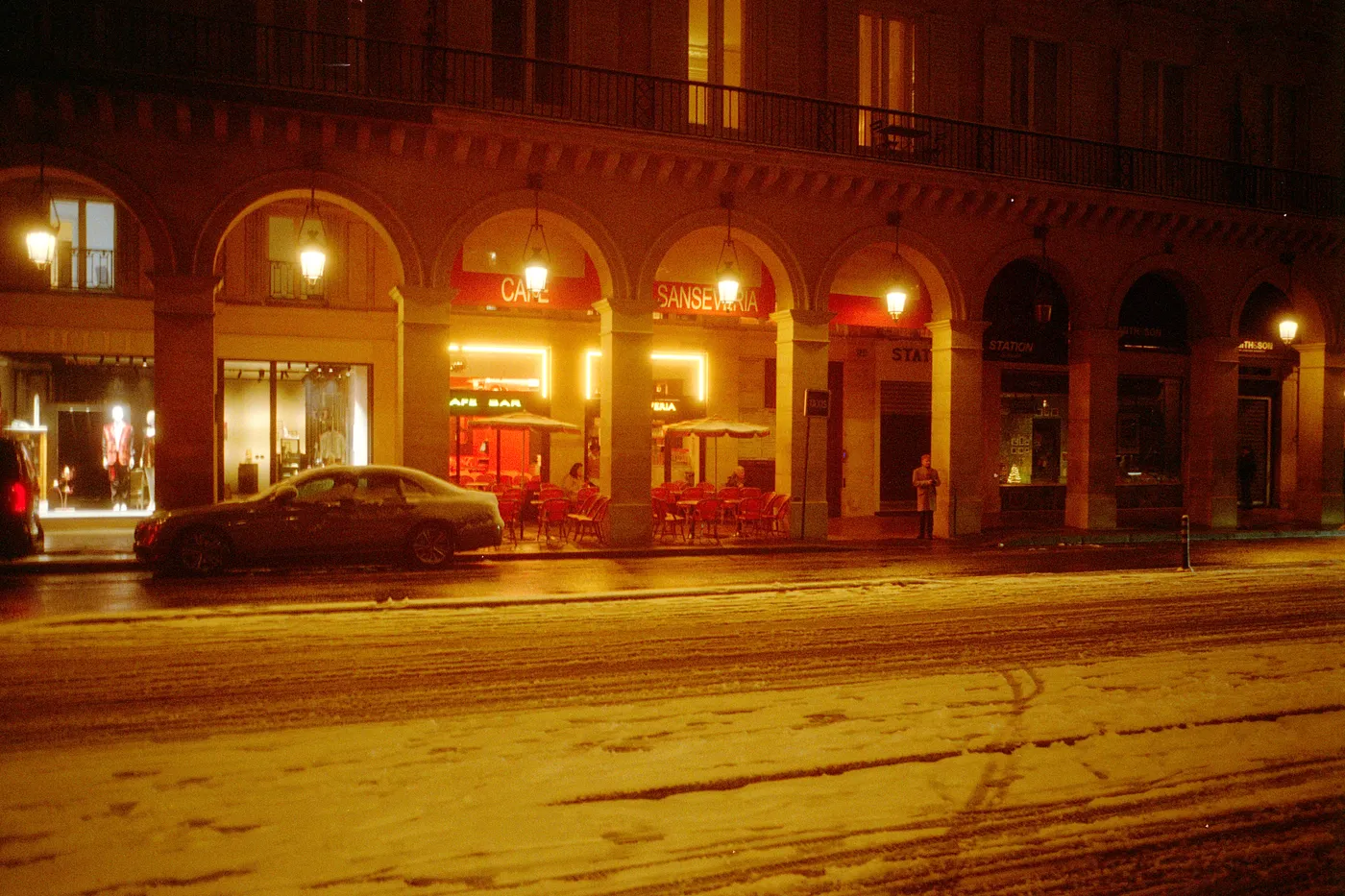
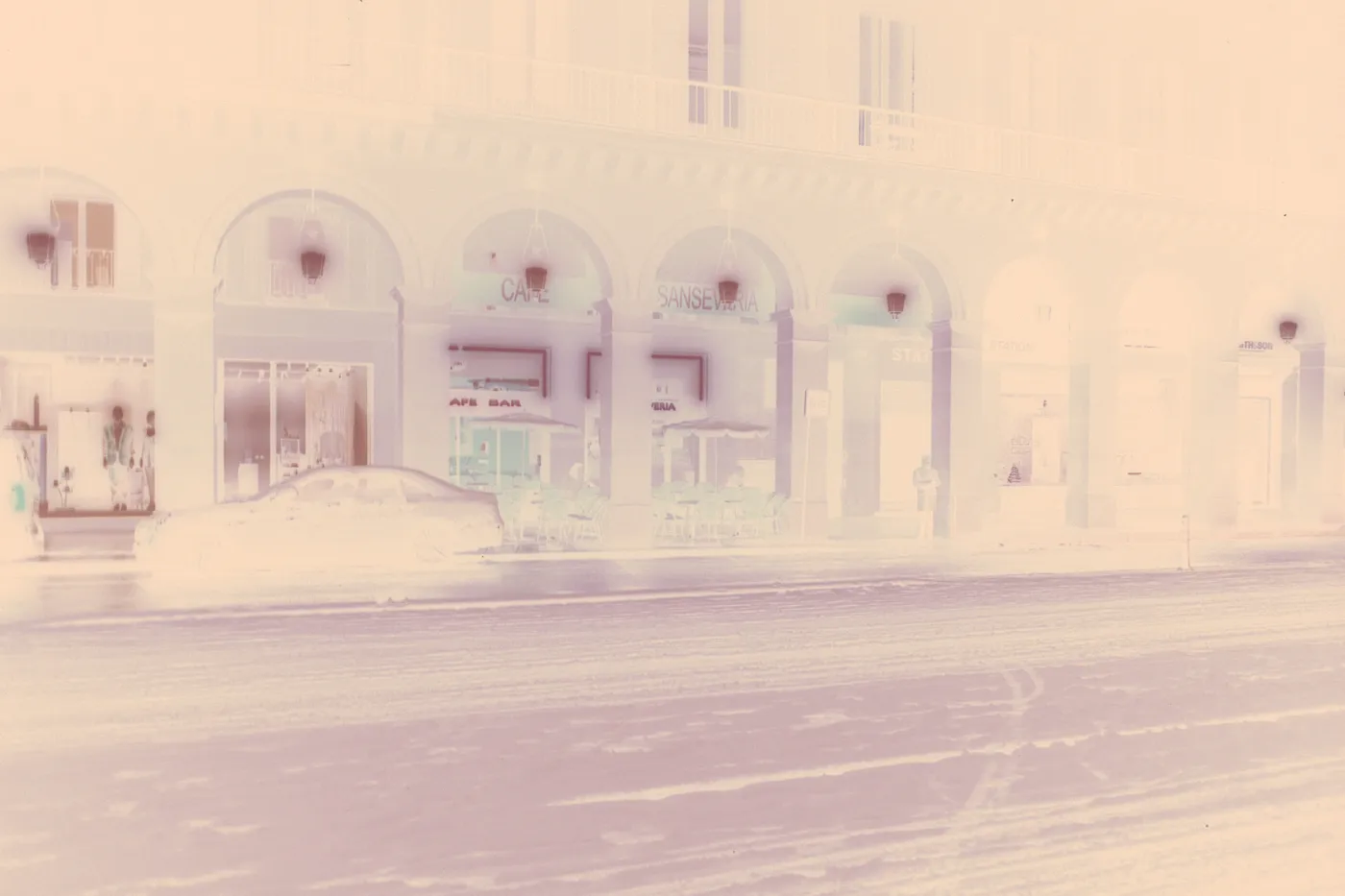
You photographed your negatives. This converts them (colour negatives, slide film and black & white) on your Mac, free, with no Lightroom and no subscription. One click gives you a converted frame; everything after that is yours to steer.
What it is
- A full macOS app, not a pluginStandalone on your Mac. No Lightroom, no Photoshop, nothing else to install underneath it.
- Every film format35 mm, 120 and sheet film, photographed with a camera on a copy stand or a tripod, or scanned on a flatbed or a film scanner.
- Reads almost anythingCamera RAW, DNG, TIFF, JPEG, PNG and HEIC.
- Exports how you like16-bit TIFF or JPEG, in sRGB, Display P3 or Adobe RGB, one frame or a whole roll in a single pass.
- Originals stay untouchedSettings live in a small JSON file beside each one, so your work travels with the folder.
- Camera-scan friendlyA camera on a tripod over a lightbox is exactly the case it was built around, home-made rig included.
Will it convert well?
Yes. Every automatic balance reads quantiles off your actual picture's histogram, rather than looking your film stock up in a table. That is why the same six buttons work as well on a film they have never seen as on the ones used to tune them.
Press one, look at what it proposes, press another if you prefer it. Nothing runs until you click, and one ⌘Z undoes any of them. How the six balances work, and what each one assumes.
What it replaces
For a Lightroom-plus-Negative-Lab-Pro workflow, all of it. The app organises the film itself, so there is no catalogue left to keep open on the side.
Rolls live in Archive: boxed, named, found again by roll rather than by scrolling past every other one. Projects cut across those boxes: pull frames from any roll into one place, edit them together, and export a themed set, or the ten frames going into a post, without hunting back through the archive for each one.
Capture One is the one case that stays split. Its own negative conversion arrived in version 16.7.4 in March 2026, but its catalogue, tethering and general-purpose raw editing remain reasons to keep it for everything that is not film.
That exported file is a real one: at 60 megapixels a 16-bit TIFF lands around 350 MB, so a 36-frame roll is a good ten gigabytes. JPEG, or a TIFF resized on its longest edge, is a valid delivery output too.
Coming from that plugin? The Negative Lab Pro crack page covers what leaving it actually saves, and what it costs.
Negative Lab Pro price and Lightroom requirement from negativelabpro.com/pricing, consulted 15 August 2026. Capture One negative conversion shipped in 16.7.4, March 2026, from its release notes, consulted 15 August 2026.
How it works, in detail
Each of these rests on something measured instead of chosen, and the measurement is the interesting part:
- Density inversionWhy inverting a negative is not 1 − x, and what that changes under your hand.
- Automatic balanceSix of them, because none is right on every photograph. Each one was measured, film by film.
- Levels on densityA black point you can place under zero, on an axis graduated in real densities.
- Chroma denoiseColour noise goes and silver grain stays, because the luma comes out bit-identical.
- Rolls and contact sheetsLay a whole roll six frames to a row, balance it once, then send that answer back to every frame.
- Archive and ProjectsRolls boxed in one index, frames pulled across rolls in another, the same file and sidecar either way.
Or read everything the app does, control by control. If a word above was new (density, linear, luma) it is defined where it is used, and again in the glossary.
Questions
Is it really free?
What does the licence give me?
Who develops it, and how?
Do I need Lightroom or Photoshop?
Is it for you?
Does it work with a flatbed or a film scanner, or only with camera scans?
Does it do black and white and slide film?
Can it export a whole roll at once?
Which files can it open?
Does it modify my original files?
Is there a Windows or Linux version?
How finished is it?
Still deciding? The long version (six converters, and what each asks of you) is on the Negative Lab Pro alternatives page.
Getting it
Download for macOS: a disk image of about 13 MB. macOS 13 or later. Apple Silicon and Intel. It looks for updates on its own and never installs one without asking. Written by one person, and the source of each version ships with that version.
Free and open source. macOS 13 or later, no account, no trial limit.