Who writes this. One person, in the time that is not a day job, with nobody paid and nothing to sell. That is the whole basis for judging what the rest of this site claims: the measurements are mine, the beta is real, and the source of every version ships with that version so you never have to take my word for how it works.
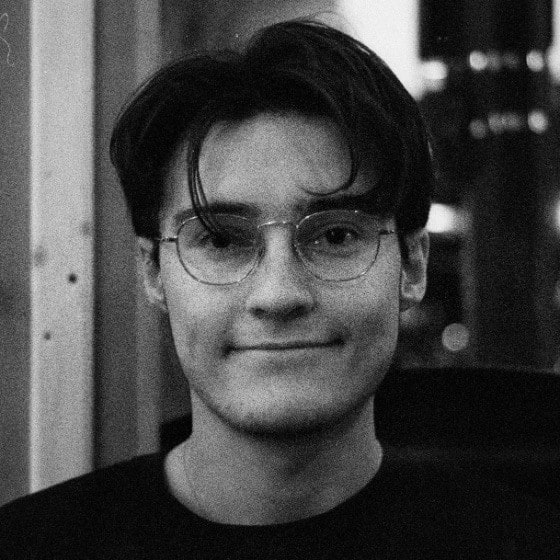
I am Rémi Courtillon. I work as a Lead Product Designer, and Open Negative Initiative (a converter for scanned film, on macOS) is what I write in the time that is not that. It is given away because I wrote it for myself first, and the cost of giving it away is zero.
Why the application exists
I photograph my own negatives with a camera, and the conversion step is the one I wanted to stop renting. I also wanted a converter that would hand me the measurement rather than an opinion about it, which is why the application is built under one rule that comes before all the others: nothing decides on its own. No film-base detection, no scene classifier, nothing applied at import. The automatic balances run when you click one, show what they propose before acting, and undo in one keystroke.
If you want the technical spine of it, start at density inversion. If you are weighing this against what you would otherwise buy, the alternatives are in one table.
What being a one-person alpha means for you
- Your originals are never touched. Settings are written to a small JSON file beside each scan. Delete the application and your RAW files are exactly as they were.
- Every version stays downloadable. If a new one renders your work differently, the previous one is still there and the release note says so before you install.
- Bugs are answered by me, when I am at the machine. I make no promise about a response time.
- Design decisions and the roadmap are not public. The issue tracker is for bugs and for the files that reproduce them. That is a real limit.
- Nobody else's rolls have been through it yet. On the day this site went up, the only film this application has converted is mine. That is what an alpha from one person means, and it is the figure to weigh, and not any sentence on this site.
What happens if I stop
Anyone can take the last released version and carry it on under the same terms, because its source ships with it. The working repository stays private and there is no public development history, so a fork starts from a snapshot instead of from a lineage, and from a snapshot with one component missing, which the source page names.
The licence covers the code and stops there. If the site and the release repository go with me, the archives go with them: anyone who wants a version to survive should keep the archive itself; the link is not the thing.
Reaching me
- Something goes wrong → open an issue. Two things make a report usable: the version, which the About window reads on its own, and the RAW file if it is a colour or decoding problem. A screenshot shows the symptom; the file reproduces it.
- A question that is not a bug (is my lightbox even enough, will my scanner's files open, which lens focuses close enough) is welcome on the same tracker. I would rather answer a beginner's question there than have somebody give up quietly.
- Worth reporting even though nothing crashed: a picture that opens flat or nearly white, and a scanner whose files this application reads badly. Those are the ones I cannot find without the file in front of me.
- Not what it is for: feature votes and design debate, which is a different thing from a question.
The limitation is worth saying plainly: there is no e-mail address and no forum here, so asking anything at all currently means a free GitHub account; reading what has already been reported does not. That is a real barrier for someone who has three rolls and no interest in any of this, and it is on my side of the ledger, not theirs.
Try it on one roll
None of this is worth much until one strip has been through it. macOS 13 or later. Apple Silicon and Intel. If it is your first conversion, the six-step guide is the shorter road; if you want to know what you may do with the code, the source page says so plainly.
Free. Your originals are never modified, and every earlier version stays downloadable.